
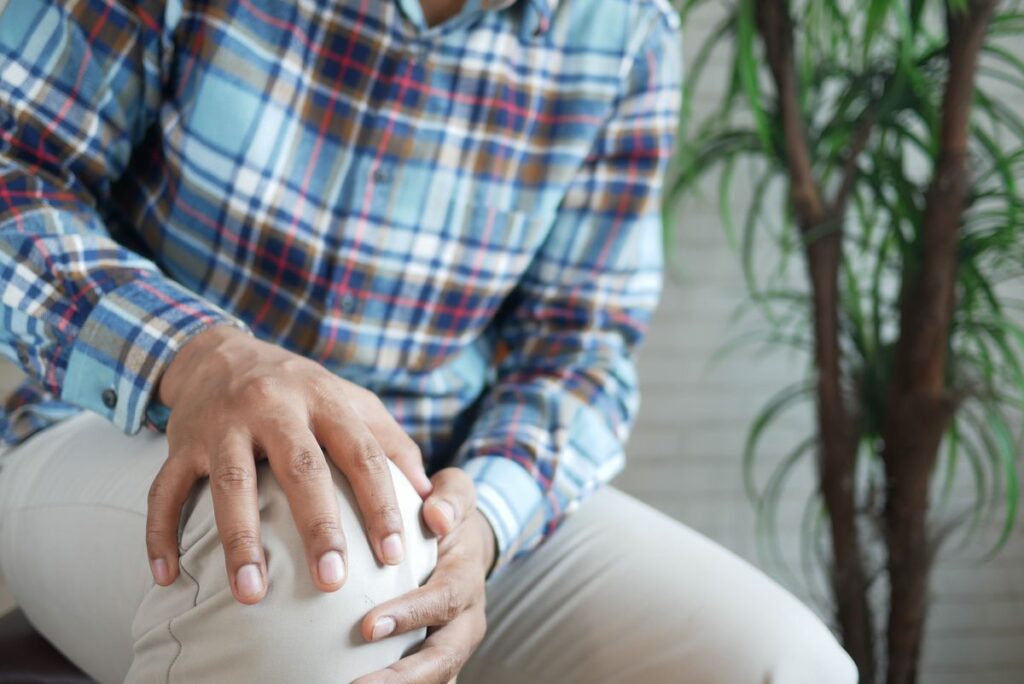
Quick answer: Most knee pain can be treated without surgery. Physiotherapy, strengthening exercises, weight management, activity changes, supports and doctor-advised pain relief help the majority of people with knee osteoarthritis and minor injuries. Surgery is usually considered only when pain stays severe despite good non-surgical care, or after certain serious injuries.
Knee pain is one of the most common reasons people in Yelahanka visit an orthopaedic doctor. Climbing stairs, sitting cross-legged on the floor, long commutes and weekend sport all put stress on the knees. The good news is that most knee problems improve without an operation. This guide explains the common causes, the non-surgical options, and the signs that need a doctor’s attention.
Key takeaways
- Knee osteoarthritis is the most common cause of long-term knee pain in adults over 50.
- The WHO reports about 528 million people had osteoarthritis in 2019, with the knee the most affected joint.
- Strengthening exercises and physiotherapy are first-line treatment for knee osteoarthritis.
- Losing even a few kilos reduces the load on your knees with every step.
- See a doctor urgently for a hot, swollen knee, a locked knee, or inability to bear weight.
What causes knee pain?
Knee pain is most often caused by wear-and-tear osteoarthritis, ligament or meniscus injuries, tendon strain, or pain around the kneecap. Less often, it is due to gout, rheumatoid arthritis or infection. The right treatment depends on the cause, so an examination by an orthopaedic doctor or physiotherapist is the first step.
- Osteoarthritis: gradual stiffness and pain, worse after activity or long sitting
- Ligament injuries: a twist with swelling, often in sport, covered in our page on ligament injuries of the knee
- Meniscus tear: catching, locking or pain on twisting
- Kneecap pain: pain on stairs, squatting or sitting for long periods
- Inflammatory arthritis: swelling in several joints with morning stiffness

How common is knee osteoarthritis?
Knee osteoarthritis is very common. The WHO fact sheet on osteoarthritis reports that about 528 million people worldwide were living with osteoarthritis in 2019, an increase of 113% since 1990. About 73% are older than 55 and 60% are women. With a prevalence of 365 million, the knee is the most frequently affected joint.
These numbers matter because osteoarthritis is not just “old age”. It is a joint condition that responds well to exercise, weight management and good advice.
Can knee pain be treated without surgery?
Yes. Most people with knee pain do well without surgery. Non-surgical treatment includes physiotherapy, muscle-strengthening exercises, weight loss where needed, footwear and activity changes, knee supports or a walking stick, and pain relief advised by a doctor. The WHO lists exercise, weight management and education as core treatment for osteoarthritis.
| Option | How it helps | Who it suits |
|---|---|---|
| Physiotherapy and exercise | Strengthens thigh and hip muscles, improves movement | Almost everyone with knee pain |
| Weight management | Reduces load on the knee joint | People who are overweight |
| Supports, footwear, walking stick | Takes stress off the painful side | Older adults, flare-ups |
| Doctor-advised pain relief | Eases pain so you can stay active | Short-term, under medical advice |
| Injections | May reduce pain for a period in some cases | Selected patients, decided by the doctor |
| Knee replacement surgery | Replaces a badly damaged joint | Severe arthritis not helped by the above |
What does physiotherapy for knee pain involve?
Physiotherapy for knee pain combines exercises to strengthen the thigh (quadriceps), hamstring and hip muscles, stretches to improve movement, balance training, and advice on daily activities. Your physiotherapist may also use pain relief physiotherapy methods and interferential therapy to ease pain so you can exercise.
A typical plan starts with simple exercises you can do at home, such as straight-leg raises, sit-to-stand from a chair and short walks. The physiotherapist increases the difficulty step by step. Doing the exercises regularly matters more than any machine.

What can I do at home for knee pain?
At home, keep moving within comfort, avoid long periods of sitting, use a chair instead of sitting on the floor during flare-ups, and do the exercises your physiotherapist gives you. A warm pack can ease stiffness, while a cold pack wrapped in a towel can help after activity. Do not take painkillers regularly without medical advice.
- Use a railing on stairs and lead with the stronger leg going up
- Wear cushioned, well-fitting shoes
- Break long walks into shorter ones
- Keep a healthy weight
When is knee surgery needed?
Knee surgery is usually considered when pain is severe, sleep and walking are badly affected, X-rays show advanced joint damage, and good non-surgical treatment for several months has not helped. Some injuries, such as certain ligament tears in young athletes, may need earlier surgery. The decision is made with your orthopaedic doctor.
If you do need a knee replacement, our pre and post-surgery physiotherapy helps you prepare and recover.
When should I see an orthopaedic doctor for knee pain?
See a doctor if knee pain lasts more than a few weeks, keeps you awake, or stops you walking normally. Seek urgent care if the knee is hot, red and swollen with fever, if it locks or gives way, if you cannot put weight on it after an injury, or if the leg looks deformed.
Where is Naina Polyclinic in Yelahanka?
Naina Polyclinic has served families in Yelahanka, Bengaluru, since 1998 from two centres:
- Naina Polyclinic (Kogilu Road): 2, Kogilu Main Rd, Kondappa Garden Layout, Maruthi Nagar, Yelahanka, Bengaluru, Karnataka 560064. Phone: +91 88615 22910
- Naina Polyclinic & Physiotherapy Center (Yelahanka New Town): 2057, 13th B Cross Rd, MIG Sector B, Udaya Layout, Yelahanka New Town, Bengaluru, Karnataka 560064. Phone: +91 96637 44434
Dr. K.G. Shankarnarayan consults at the Kogilu Road clinic Monday to Saturday, 10:00 AM to 11:00 AM, and at the Yelahanka New Town centre Monday to Saturday, 7:00 PM to 8:30 PM. Physiotherapy sessions run Monday to Saturday, 6:30 PM to 7:30 PM at the New Town centre. Sunday is a holiday. Full details are on our contact and appointments page.
Related reading: our guides on post-surgery knee rehab in Yelahanka and sports injury physiotherapy. You can also learn more about our bone and joint disease treatment at Naina Polyclinic.
Frequently asked questions
What is the best treatment for knee pain without surgery?
For most people, the best treatment is a combination of physiotherapy, regular strengthening exercises, weight management and sensible activity changes. Pain relief advised by a doctor can help you stay active. Your orthopaedic doctor or physiotherapist will tailor the plan to the cause of your knee pain.
Which exercises help knee pain?
Straight-leg raises, sit-to-stand from a chair, mini squats, calf raises, and stationary cycling are common starting exercises. They strengthen the muscles that support the knee. Start gently and increase slowly. A physiotherapist can check your technique and choose exercises that suit your condition and pain level.
Is walking good for knee pain?
Yes, for most people with knee osteoarthritis, regular walking on flat ground helps. It keeps the joint moving and the muscles strong. Start with short walks and build up. If walking causes sharp pain or swelling, rest and get your knee checked by a doctor or physiotherapist.
Can knee osteoarthritis be reversed?
Osteoarthritis damage to the joint cannot be fully reversed, but symptoms can improve a lot. Exercise, weight loss and physiotherapy often reduce pain and improve walking. Many people manage well for years without surgery. Early treatment gives the best results.
How many physiotherapy sessions are needed for knee pain?
It depends on the cause and severity. Many people notice improvement within a few weeks of regular sessions combined with daily home exercises. Your physiotherapist will review your progress and adjust the plan. The home exercise routine is the most important part of long-term recovery.
Book an appointment at Naina Polyclinic
Knee pain stopping you from walking or climbing stairs? Call us to see our orthopaedic doctor or physiotherapist, or book through our contact page. Kogilu Road: +91 88615 22910. Yelahanka New Town: +91 96637 44434. In an emergency, go to the nearest emergency department.
Medically reviewed by: Dr. K.G. Shankarnarayan (Shankarnarayan Kunigal), MBBS, D.Orth (Orthopaedics), Naina Polyclinic, Yelahanka. Last reviewed: November 2026.
Disclaimer: This article is for general information only and does not replace advice from a qualified doctor. Please consult a doctor about your own symptoms, tests and treatment.