
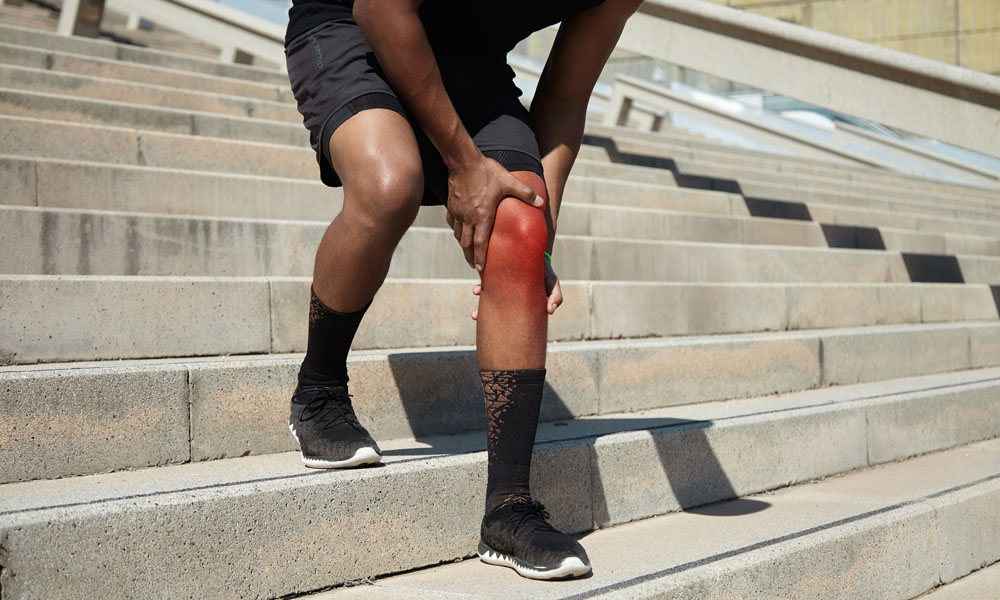
Knee pain while climbing or descending stairs is a common complaint among adults of all ages. Although occasional discomfort may occur after strenuous activity, persistent or worsening knee pain should not be ignored. Climbing stairs places significant stress on the knee joint up to four times your body weight, which can reveal underlying joint, muscle, or ligament problems.
If knee pain is interfering with your daily activities, early evaluation by an orthopaedic specialist can help identify the cause and prevent further complications. At Nainapoly clinic, patients receive comprehensive evaluation and personalised treatment for various knee conditions.
Why Does Knee Pain Occur While Using Stairs?
The knee joint consists of bones, cartilage, ligaments, tendons, and muscles that work together to support movement. When any of these structures are injured or weakened, pain may occur, especially during activities such as climbing stairs.
Some of the most common causes include:
1. Osteoarthritis
Osteoarthritis is one of the leading causes of knee pain in older adults. It occurs when the cartilage cushioning the knee gradually wears away, causing pain, stiffness, and swelling.
2. Patellofemoral Pain Syndrome
Often called “runner’s knee,” this condition develops when the kneecap does not move properly over the joint. Pain is typically felt in the front of the knee and becomes worse while climbing stairs.
3. Meniscus Tears
The meniscus is a cartilage structure that cushions the knee joint. Sudden twisting movements, sports injuries, or age-related degeneration can cause tears, leading to pain and difficulty moving the knee.
4. Ligament Injuries
Ligaments provide stability to the knee. Injuries to the ACL, PCL, MCL, or LCL may occur due to sports injuries, falls, or accidents.
5. Tendinitis
Inflammation of the tendons around the knee, especially the patellar tendon, can cause pain during movement, particularly while climbing stairs.
6. Weak Muscles and Poor Posture
Weak thigh and hip muscles can increase stress on the knee joint. Poor posture and prolonged sitting can also contribute to knee discomfort.
Common Symptoms Associated With Knee Pain
In addition to pain while using stairs, you may experience:
- Swelling around the knee
- Stiffness, especially in the morning
- Popping or clicking sounds
- A feeling that the knee may “give way”
- Difficulty bending or straightening the knee
- Pain after prolonged sitting
- Reduced range of motion
- Warmth or redness around the joint
Warning Signs That Need Immediate Medical Attention
Seek medical help immediately if you experience:
- Severe pain after an injury or fall
- Inability to bear weight on the affected leg
- Sudden swelling
- Visible deformity of the knee
- Locking of the knee joint
- Fever along with knee pain and swelling
When Should You See an Orthopaedic Doctor?
You should schedule an appointment with an orthopaedic specialist if:
- Knee pain persists for more than one week.
- Pain keeps returning despite rest.
- Daily activities become difficult.
- You have swelling or stiffness that does not improve.
- Walking, climbing stairs, or standing becomes painful.
- Home remedies fail to provide relief.
- The pain affects sleep or quality of life.
At Nainapoly clinic, orthopaedic specialists assess the severity of symptoms through physical examination and diagnostic investigations when necessary, ensuring accurate diagnosis and appropriate treatment.
How Is Knee Pain Diagnosed?
Your doctor may recommend:
| Diagnostic Method | Purpose |
| Physical Examination | Evaluates movement, stability, and swelling |
| X-ray | Detects arthritis and bone abnormalities |
| MRI Scan | Identifies ligament, cartilage, and meniscus injuries |
| Blood Tests | Helps rule out infections or inflammatory conditions |
| Ultrasound | Assesses soft tissue injuries |
Treatment Options for Knee Pain
Treatment depends on the underlying cause and severity of symptoms.
Conservative Treatments
- Rest and activity modification
- Ice application to reduce swelling
- Anti-inflammatory medications
- Physiotherapy and strengthening exercises
- Weight management
- Knee braces or supports
Advanced Treatments
For persistent or severe cases, additional treatment options may include:
- Injections for pain relief
- Advanced physiotherapy techniques
- Arthroscopic procedures
- Joint replacement surgery for advanced arthritis
Tips to Prevent Knee Pain
You can reduce your risk of knee problems by:
- Maintaining a healthy body weight.
- Exercising regularly to strengthen muscles.
- Warming up before physical activity.
- Wearing supportive footwear.
- Avoiding sudden increases in exercise intensity.
- Practising proper posture while sitting and standing.
- Taking breaks during prolonged sitting.
Why Early Treatment Matters
Ignoring knee pain can lead to worsening joint damage, reduced mobility, and long-term disability. Early diagnosis allows timely treatment, faster recovery, and better long-term outcomes.
If you are experiencing persistent knee pain while climbing stairs, consult the specialists at Nainapoly clinic for expert evaluation and personalised care.
Frequently Asked Questions
Why do my knees hurt only when climbing stairs?
Climbing stairs places additional pressure on the knee joint, which can expose underlying issues such as arthritis, cartilage damage, or muscle weakness.
Is knee pain on stairs always due to arthritis?
No. Knee pain may also result from tendon injuries, ligament damage, muscle weakness, or kneecap problems.
Can physiotherapy help knee pain?
Yes. Physiotherapy can strengthen supporting muscles, improve flexibility, and reduce pain.
Can losing weight reduce knee pain?
Yes. Excess body weight increases stress on the knees, and weight loss often improves symptoms.
When should I consult an orthopaedic doctor?
Consult a doctor if pain persists, worsens, causes swelling, or affects daily activities.